
A project which aims to make it easier for students to find out about the history of Barts and The London. This is an ever-expanding resource so please let us know if you find something to add!
http://www.calmhosting01.com/BartsHealth/CalmView/
https://www.qmul.ac.uk/smd/about/history/digitised-records/st-bartholomews-hospital-journal/
https://bartsheritage.org.uk/museum-and-history/history-of-barts/
https://www.youtube.com/channel/UCB4mwSPSGum4DcmCa89hqkw
http://www.gutenberg.org/ebooks/46664
https://www.nuffieldtrust.org.uk/health-and-social-care-explained/the-history-of-the-nhs
https://en.wikipedia.org/wiki/London_medical_students_at_Belsen
https://www.sochealth.co.uk/national-health-service/hospitals/tomlinson-report-1992/
https://www.legislation.gov.uk/ukla/1995/9/enacted
https://www.theguardian.com/society/2012/apr/03/three-hospital-trusts-become-one?newsfeed=true
https://en.wikipedia.org/wiki/United_Hospitals
https://en.wikipedia.org/wiki/United_Hospitals_Cup
https://en.wikipedia.org/wiki/United_Hospitals_RFC
https://en.wikipedia.org/wiki/United_Hospitals_Athletics_Club
https://en.wikipedia.org/wiki/United_Hospitals_Lawn_Tennis_Club
https://en.wikipedia.org/wiki/St_Bartholomew%27s_Hospital
https://en.wikipedia.org/wiki/Royal_London_Hospital
https://en.wikipedia.org/wiki/William_Blizard
https://en.wikipedia.org/wiki/Sir_Frederick_Treves,_1st_Baronet
https://en.wikipedia.org/wiki/Edith_Cavell
https://en.wikipedia.org/wiki/Percivall_Pott
https://en.wikipedia.org/wiki/John_Abernethy_(surgeon)
https://en.wikipedia.org/wiki/Ethel_Gordon_Fenwick
https://en.wikipedia.org/wiki/Barts_and_The_London_School_of_Medicine_and_Dentistry#Notable_people
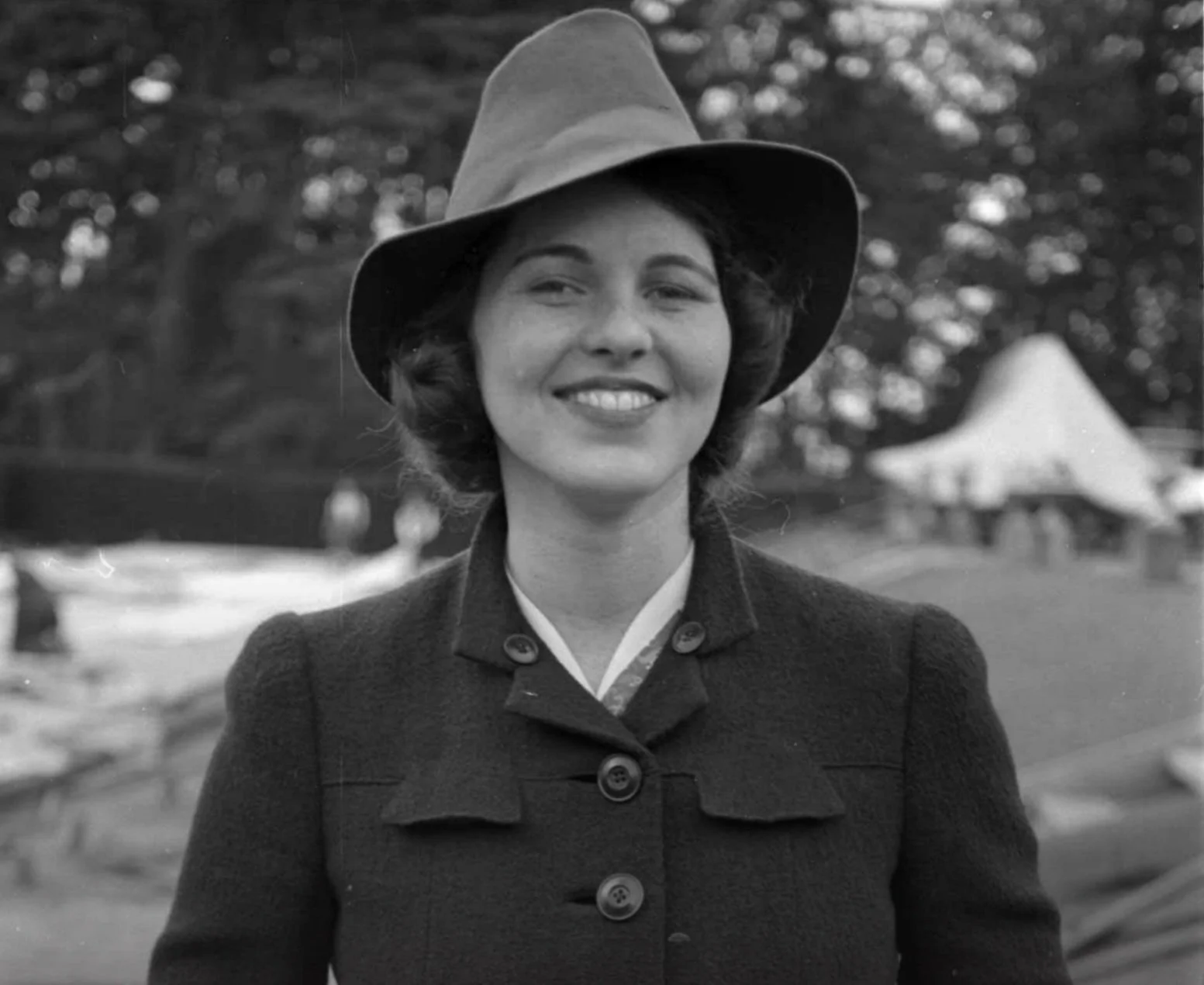
I was introduced to the powerful story of Rosemary Kennedy by a chance recommendation from the YouTube algorithm. This certainly kindled my interest in the history of lobotomies and, to put them in their wider context, the shift between surgery to pharmacology and onwards.
Have you ever heard of the Westfield College? I doubt it, as in all material senses, it no longer exists. It was set up in 1888 and was the first college to aim to educate women for University of London degrees.
For those unfamiliar with Whitechapel, it is likely that the name ignites imagery of glooming gas lit alleyways in a crime laden, poverty stricken, Victorian London.
The complex story of Dr James Barry was initially presented to me in an arguably oversimplified package. The first female doctor, forced undercover by a patriarchal and unaccepting society, to become an incredibly talented and highly esteemed military surgeon, all the while maintaining secrecy until the end.
What should it matter what a medical school is called? This is a question I’ve been forced to ask myself recently - in the face of the forced rebrand of our medical school - and I’ve had to conclude that ideally, it seems as if it shouldn’t matter.
Here’s a taster. The very first patient I had to examine the next year, resplendent in a white coat that didn’t smell of chip fat, (me, not the patient), seemed quite well, but I just couldn’t find a pulse and I had read the early parts of Hutchinson’s how to do everything. What sort of trainee doctor cannot take a pulse?
In 1970, as a callow seventeen-and-a-half-year old, I first set foot in Charterhouse Square in black cord jacket, old school tie and desert boots, the fashion at the time. I expect I was wearing trouserings of some sort and I was carrying an overlarge brief case my dear mother had given to her doctor to be. I stepped into the formidable presence of Professor Rotblat who interviewed all of his 1st M.B. students personally.
As Barts approaches its 900th Anniversary in 2023 there’s a great deal happening in the oldest part of the hospital to help make its history more relevant than ever to the needs of the 21st century.
Most medical students will recall having Global Health lectures based at the Joseph Rotblat Building in Charterhouse Square. And indeed, it is a shame that many of us have never stepped foot in a building named after one of the six Barts Nobel Laureates.
If an institution is to legitimately count its Nobel Laureates as a measure of its status, it must do so by turning a blind eye to the many scores of alumni and faculty who were never recognised with such an honour, whether because they lived in the wrong era or achieved excellence in the wrong field. And then there are those who were simply ignored, such as Sir Archibald Garrod.